

Marine platforms have become indispensable in modern maritime operations. Their role extends beyond traditional functions, offering innovative ways to enhance efficiency, safety, and sustainability in port and shipping activities. This article explores the potential of marine platform solutions, focusing on how they can transform port authorities, pilotage, and towage operations worldwide.
Understanding Marine Platform Solutions
Marine platform solutions refer to integrated systems and technologies designed to support various maritime activities. These platforms combine hardware, software, and communication tools to automate and optimise port operations. They enable real-time data sharing, improve decision-making, and reduce operational risks.
For example, marine platforms can monitor vessel traffic, manage berth allocations, and coordinate pilotage services. By centralising these functions, ports can achieve smoother workflows and reduce delays. Additionally, these solutions often incorporate environmental monitoring to help ports comply with sustainability regulations.
The adoption of marine platform solutions is driven by the need to handle increasing cargo volumes and complex logistics. Ports that implement these technologies can expect improved resource utilisation and enhanced safety standards.
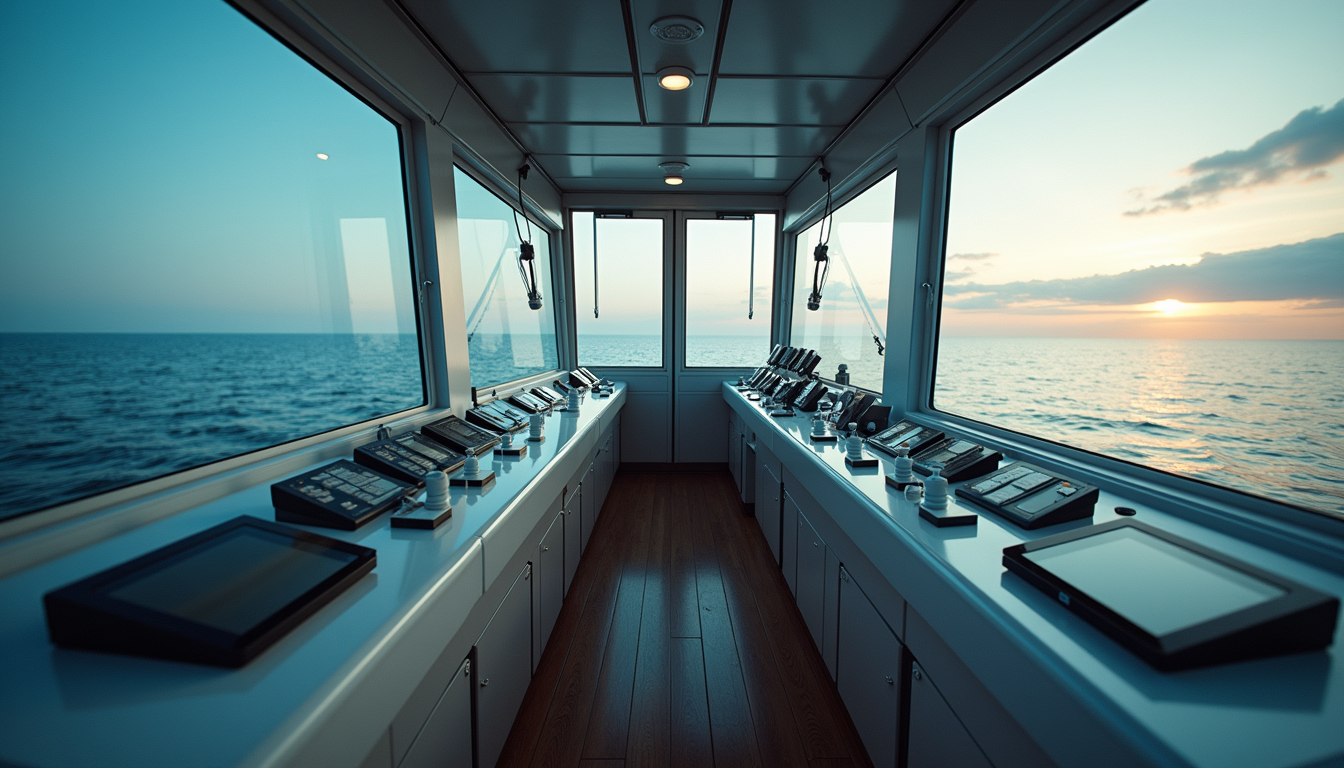
Key Features of Advanced Marine Platform Solutions
Advanced marine platform solutions offer several features that address the challenges faced by port authorities and maritime operators:
Real-time Vessel Tracking: Continuous monitoring of vessel positions and movements to prevent collisions and optimise traffic flow.
Automated Berth Management: Efficient scheduling and allocation of berths to reduce waiting times and improve turnaround.
Pilotage Coordination: Streamlined communication between pilots and vessels to ensure safe navigation in congested waters.
Resource Optimisation: Allocation of tugs, pilots, and other assets based on demand forecasts and operational priorities.
Environmental Monitoring: Tracking emissions, water quality, and noise levels to support sustainable port operations.
Data Analytics and Reporting: Generating insights from operational data to inform strategic planning and compliance.
These features collectively contribute to safer, more efficient, and environmentally responsible port management.
The Role of Innovation in Marine Platforms
Innovation is at the heart of marine platform development. Technologies such as the Internet of Things (IoT), artificial intelligence (AI), and cloud computing are integrated to create smart port environments. These innovations enable predictive maintenance, automated decision-making, and enhanced situational awareness.
One notable example is the innovez one marinem platform, which exemplifies how smart port solutions can revolutionise maritime operations. This platform leverages AI and IoT to automate complex tasks, optimise resource use, and support sustainability goals. By adopting such solutions, ports can become more resilient and competitive in the global shipping supply chain.
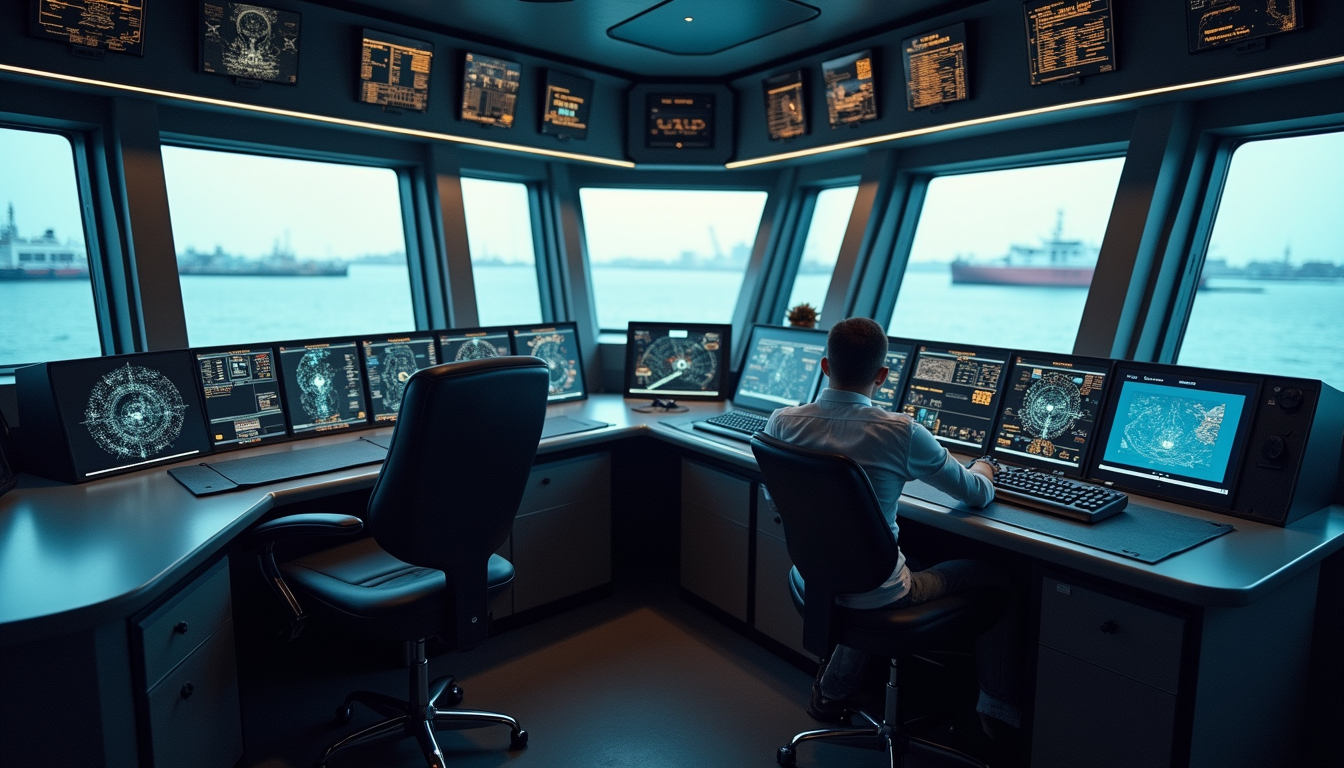
Practical Benefits for Port Authorities and Operators
Implementing marine platform solutions offers tangible benefits for port authorities, pilotage, and towage operators:
Increased Operational Efficiency
Automation reduces manual tasks and human errors. This leads to faster vessel handling and improved scheduling accuracy.
Enhanced Safety
Real-time monitoring and predictive analytics help identify potential hazards early, reducing accidents and incidents.
Cost Savings
Optimised resource allocation lowers fuel consumption, labour costs, and equipment wear.
Environmental Compliance
Continuous environmental data collection supports adherence to regulations and promotes greener operations.
Improved Stakeholder Collaboration
Centralised platforms facilitate communication among port users, enhancing coordination and transparency.
To maximise these benefits, ports should invest in training personnel and integrating platforms with existing systems. Regular updates and maintenance are also essential to keep the technology effective and secure.
Future Trends in Marine Platform Solutions
The future of marine platform solutions is shaped by ongoing technological advancements and evolving industry needs. Key trends include:
Increased Use of AI and Machine Learning
These technologies will enable more accurate predictions and autonomous decision-making.
Integration with Blockchain
Enhancing transparency and security in maritime transactions and documentation.
Expansion of Digital Twins
Creating virtual replicas of ports to simulate operations and test scenarios without disrupting real activities.
Focus on Sustainability
Platforms will increasingly support carbon reduction initiatives and circular economy practices.
Enhanced Cybersecurity Measures
Protecting critical infrastructure from cyber threats will become a priority.
Ports that stay ahead of these trends will be better positioned to meet future challenges and maintain their role as vital nodes in global trade.
Embracing Marine Platform Solutions for a Stronger Maritime Future
Marine platform solutions represent a significant step forward in port and maritime operations. By adopting these technologies, ports can improve efficiency, safety, and sustainability. The integration of smart systems like the innovez one marinem platform demonstrates the potential to automate complex processes and optimise resources effectively.
As the maritime industry continues to evolve, embracing innovative marine platform solutions will be essential for maintaining competitiveness and supporting global supply chains. Investing in these technologies today will help ports become the strongest link in the shipping network tomorrow.