

Efficient pilot dispatch is a critical component in the smooth operation of ports and maritime navigation. The complexity of coordinating pilot assignments, vessel schedules, and resource allocation demands advanced solutions. Over recent years, maritime pilot dispatch tools have evolved significantly, integrating digital technologies to enhance operational efficiency and safety. This article explores the role of these tools, focusing on how digital systems transform pilot dispatch processes and contribute to smarter port management.
Understanding Maritime Pilot Dispatch Tools
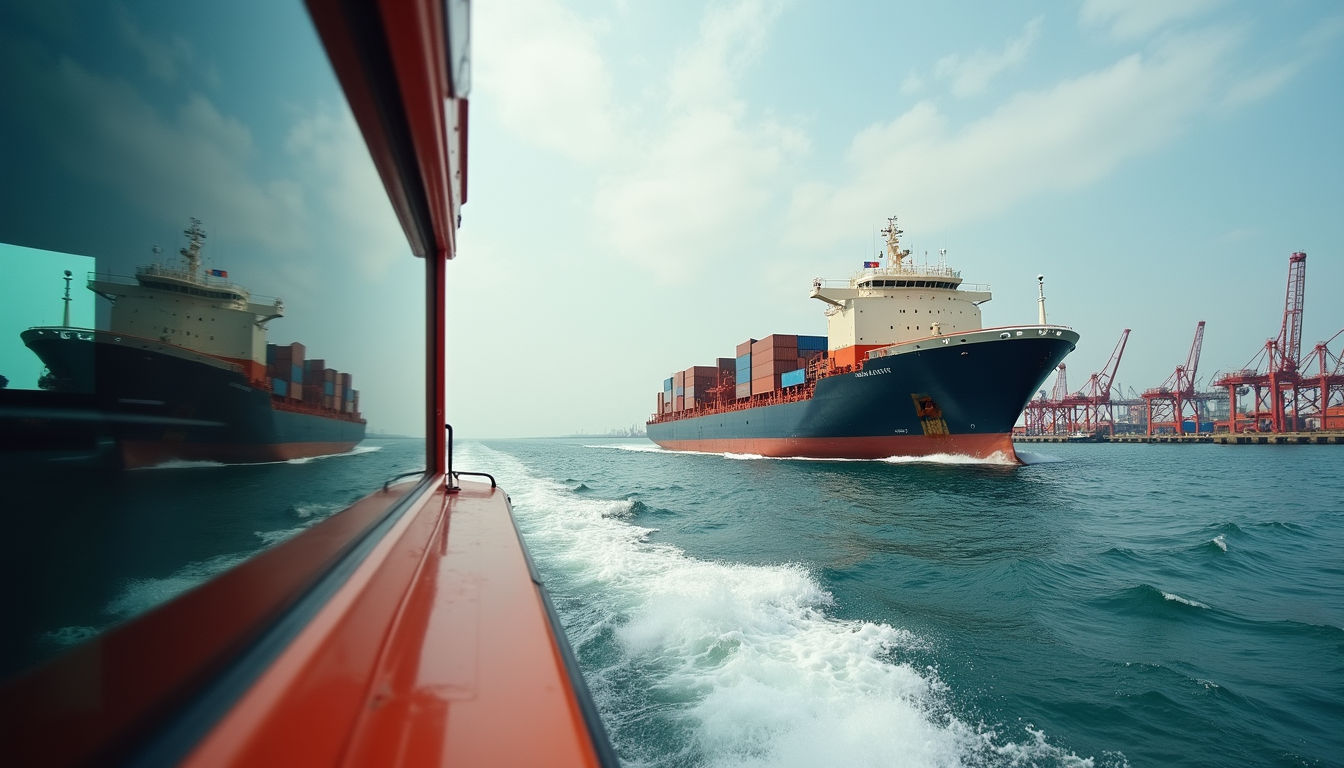
Maritime pilot dispatch tools are designed to manage the allocation and scheduling of pilots who guide vessels through challenging waters, such as harbours, channels, and congested port areas. These tools help streamline communication between port authorities, pilots, and shipping companies, ensuring timely and safe pilotage services.
Traditionally, pilot dispatch relied heavily on manual processes, including phone calls, radio communication, and paper-based scheduling. These methods often led to delays, miscommunication, and inefficient resource use. Modern maritime pilot dispatch tools incorporate software solutions that automate many of these tasks, providing real-time data and analytics to support decision-making.
Key features of maritime pilot dispatch tools include:
Automated scheduling: Assigning pilots based on availability, qualifications, and vessel requirements.
Real-time tracking: Monitoring pilot locations and vessel movements to optimise dispatch.
Communication platforms: Facilitating instant messaging and alerts between stakeholders.
Data analytics: Providing insights into operational performance and resource utilisation.
By integrating these features, ports can reduce waiting times, improve pilot utilisation, and enhance overall safety.
Benefits of Implementing Maritime Pilot Dispatch Tools
The adoption of maritime pilot dispatch tools offers several tangible benefits for port operations and pilotage services. These benefits align with the goals of optimising resources, improving safety, and supporting sustainable port management.
Enhanced Operational Efficiency
Automated scheduling and real-time tracking reduce the administrative burden on dispatchers. This allows for quicker response times and better coordination of pilot assignments. For example, when a vessel requests pilotage, the system can instantly identify the nearest available pilot with the appropriate qualifications and assign them without delay.
Improved Safety and Compliance
Accurate scheduling and communication minimise the risk of human error, which is crucial in high-stakes maritime environments. Dispatch tools can also ensure compliance with regulatory requirements by tracking pilot certifications and rest periods, preventing fatigue-related incidents.
Resource Optimisation
By analysing historical data and current conditions, maritime pilot dispatch tools help optimise pilot deployment. This reduces idle time and ensures that pilots are utilised effectively, which can lead to cost savings and better service levels.
Environmental Impact Reduction
Efficient pilot dispatch contributes to reduced vessel waiting times and smoother navigation, which in turn lowers fuel consumption and emissions. This supports the broader sustainability goals of ports and maritime operators.
The Integration of Digital Pilot Dispatch Systems
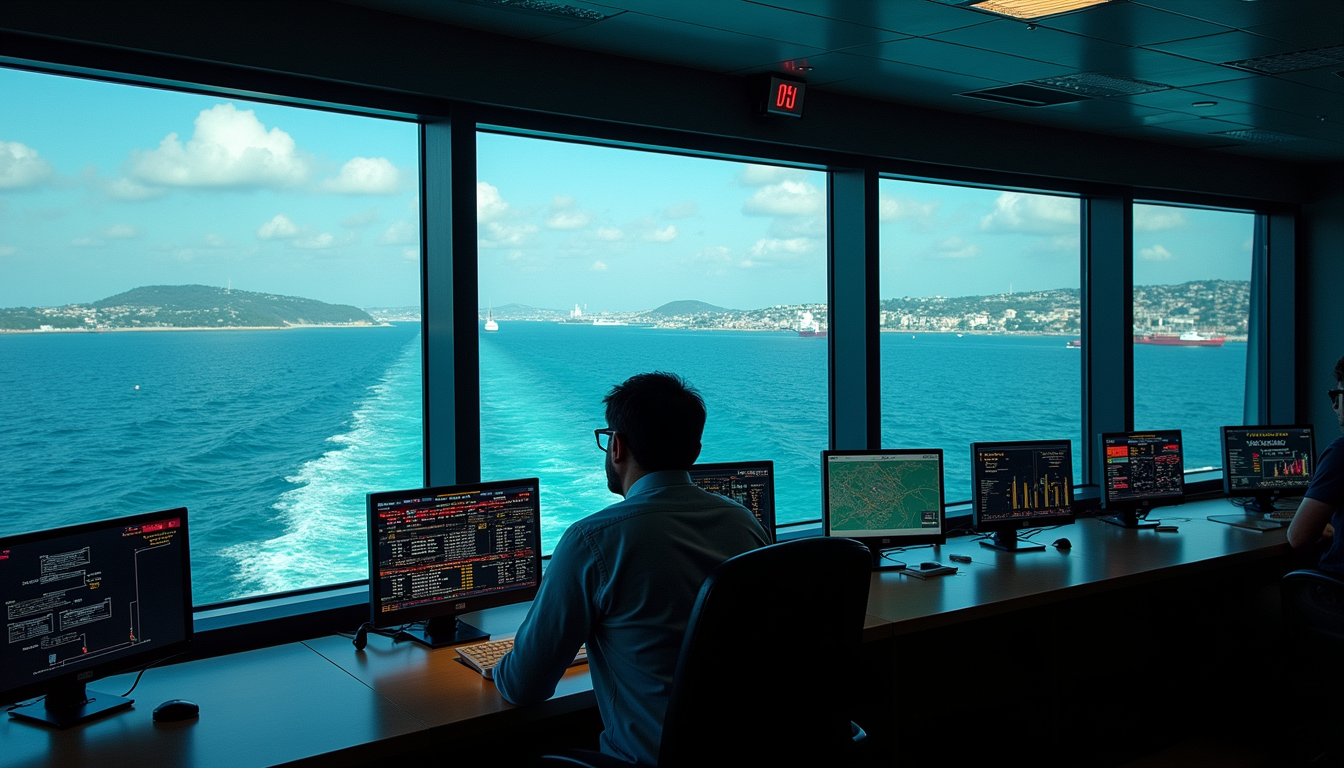
A digital pilot dispatch system represents the next step in the evolution of maritime pilot dispatch tools. These systems leverage cloud computing, mobile technology, and advanced algorithms to provide a comprehensive platform for pilotage management.
Digital systems offer several advantages over traditional software solutions:
Accessibility: Cloud-based platforms enable access from any location, facilitating coordination across multiple ports or regions.
Scalability: Systems can be scaled to accommodate growing port traffic and expanding pilot fleets.
Data Integration: Digital systems can integrate with other port management software, such as vessel traffic services (VTS) and terminal operating systems (TOS), creating a unified operational ecosystem.
User-Friendly Interfaces: Mobile apps and intuitive dashboards improve usability for dispatchers and pilots alike.
For example, a digital pilot dispatch system can automatically adjust pilot assignments based on real-time weather conditions or unexpected vessel delays, ensuring flexibility and responsiveness.
Practical Recommendations for Implementing Maritime Pilot Dispatch Tools
To maximise the benefits of maritime pilot dispatch tools, port authorities and pilotage operators should consider the following best practices:
Conduct a Needs Assessment
Evaluate current dispatch processes and identify pain points. Understanding specific operational challenges will guide the selection of appropriate tools.
Choose Scalable Solutions
Select systems that can grow with port traffic and adapt to changing regulatory environments.
Ensure Integration Capabilities
Opt for tools that can seamlessly connect with existing port management systems to avoid data silos.
Invest in Training
Provide comprehensive training for dispatchers and pilots to ensure smooth adoption and effective use of new technologies.
Monitor and Analyse Performance
Use built-in analytics to track key performance indicators such as pilot utilisation rates, response times, and safety incidents. Continuous monitoring supports ongoing optimisation.
Prioritise Cybersecurity
Protect sensitive operational data by implementing robust cybersecurity measures, especially when using cloud-based platforms.
Future Trends in Maritime Pilot Dispatch Tools
The maritime industry is poised to benefit from ongoing technological advancements that will further enhance pilot dispatch capabilities. Some emerging trends include:
Artificial Intelligence and Machine Learning
AI can predict vessel arrival times more accurately, optimise pilot assignments dynamically, and identify potential risks before they materialise.
Internet of Things (IoT) Integration
IoT devices on vessels and pilot boats can provide real-time data on location, speed, and environmental conditions, feeding into dispatch systems for better decision-making.
Augmented Reality (AR) for Pilots
AR technology may assist pilots during navigation by overlaying critical information onto their field of view, improving situational awareness.
Sustainability-Focused Features
Future tools will likely incorporate environmental impact metrics, helping ports meet stricter emissions regulations and sustainability targets.
By staying informed about these trends, port authorities and pilotage operators can prepare to adopt innovations that enhance operational resilience and competitiveness.
Enhancing Port Operations with Smart Dispatch Solutions
The role of maritime pilot dispatch tools is central to the modernisation of port operations. By adopting advanced digital solutions, ports can automate complex workflows, optimise resource allocation, and improve safety standards. These improvements contribute to the overall efficiency and sustainability of the shipping supply chain.
As the maritime sector continues to evolve, embracing smart dispatch solutions will be essential for ports aiming to maintain their position as critical nodes in global trade. The integration of a digital pilot dispatch system represents a strategic investment that supports these objectives, enabling ports to meet the demands of increasing vessel traffic and regulatory complexity.
Ports and pilotage operators are encouraged to explore these technologies and implement best practices to unlock the full potential of digital pilot dispatch systems. Doing so will not only enhance operational performance but also strengthen the resilience and sustainability of maritime logistics worldwide.